


Thistle Hills in Coatesville is built on a simple idea. Give women the time, structure, and support they need to rebuild their lives.
The name tells the story. A thistle grows in harsh conditions. It pushes through dry ground and concrete. It has deep roots and a strong center.
That mirrors the women in the program. Many arrive after years of trauma, addiction, and instability. What you see on the surface does not reflect their strength.
The model is not new. Thistle Hills is inspired by Thistle Farms Magdalene House in Nashville, Tennessee, which has been transforming lives for more than 20 years. That proven track record matters.
When Becca Stevens, the founder of Thistle Farms, spoke at a clergy conference in 2018, her words sparked something.
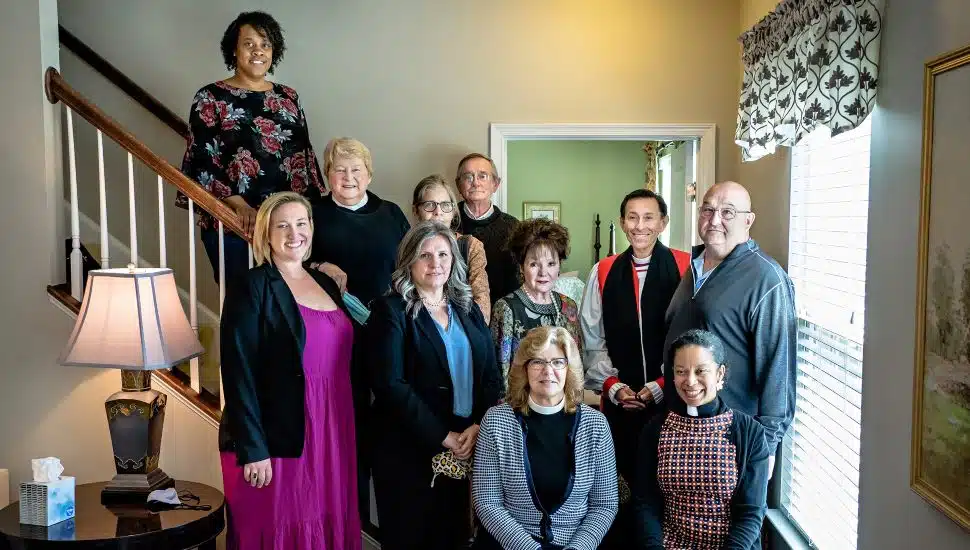
The Episcopal Church of the Trinity in Coatesville partnered with the Episcopal Diocese of Pennsylvania’s Anti-Human Trafficking Commission and built something local. Same mission. Same values. Rooted in Chester County.
Thistle Hills runs a two-year, rent-free residential program for adult women who have survived trafficking and substance use. The program serves up to four women at a time, intentionally small and close.
Most enter with no income, no savings, and no stable place to live. Referrals come from recovery centers, mental health providers, and community partners across the region.
The approach is direct. Focus on the full picture, not one piece of it. Residents receive safe housing, trauma-informed counseling, recovery support, medical care, legal guidance, and job training. The goal is long-term stability, not short-term relief.
The program moves through defined phases. Early on, residents focus on recovery, rest, and learning to live in community. Later, they work with therapists to address trauma and its roots.
By the final phase, they are preparing for independent living and mentoring the women who arrived after them. Someone who came in with nothing eventually helps guide the next woman through the door. That arc is the point.
Daily life reflects that structure. One resident described her favorite experience as starting a garden from seedlings. She planted, watered, maintained, and harvested the food herself. The process gave her a routine. It taught patience. It showed progress in real time.
That same mindset shows up in the work residents create. Women in the program produce handmade pottery, soap, and hammered flower notecards. The notecards sell out consistently.
An online store is in development to expand that reach.
You can also find Thistle Hills at First Fridays in Coatesville, where residents meet customers, share their work, and build confidence.
Residents leave with a job plan, a housing plan, savings, and a support network. The impact extends beyond each woman to her family and the broader community.
Learn more about how the program turns structure, support, and daily progress into lasting change at Thistle Hills.