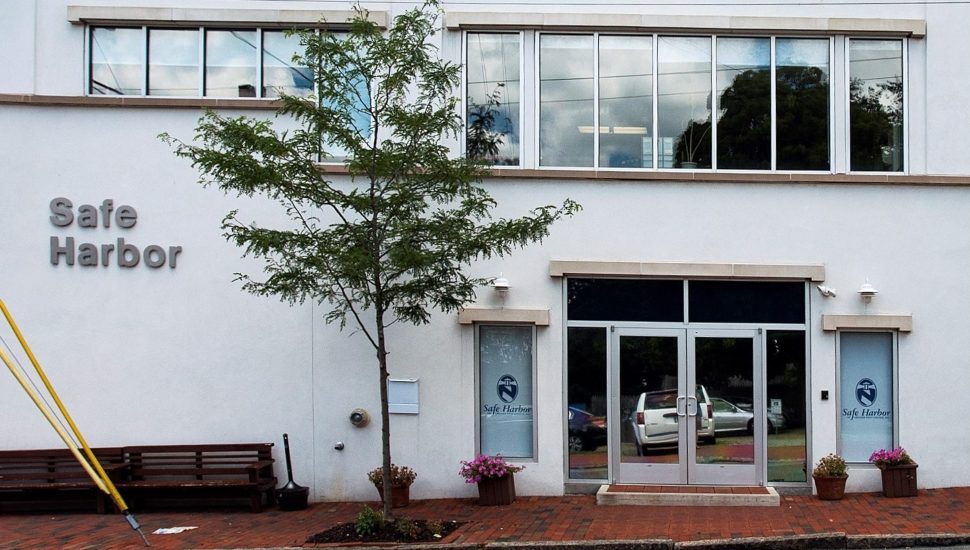


When residents walk through the doors of Safe Harbor of Chester County, they’re looking for more than just a bed—they’re seeking hope. Thanks to an innovative approach led by Director of Integrated Care Valerie Dougherty, that’s exactly what they’re finding.
Since joining the Safe Harbor team full-time in June, Dougherty has spearheaded a transformative shift toward whole-person, trauma-informed care. Her work is helping residents rebuild their lives not just with shelter but with therapeutic support, life skills training, and a deep sense of community.
“We’re not just addressing homelessness—we’re addressing the person behind the story,” Dougherty said.
A New Chapter for Safe Harbor
Safe Harbor, a nonprofit shelter for up to 20 men and 20 women at a time, has long provided housing and essential services to individuals experiencing homelessness. But with Dougherty’s leadership—and with Executive Director Jessica Chappell at the helm—the organization has expanded its mission to treat the whole person.
That includes comprehensive case management, mental health support, addiction recovery, medical coordination, and a newly formalized therapeutic day program designed to foster healing, confidence, and connection.
“We offer trauma groups, art therapy, life skills training, financial literacy, Bible study, computer skills, AA/NA meetings,” Dougherty said. “We want residents to leave here with tools, community, and self-worth.”
What Integrated Care Really Looks Like
Dougherty’s Integrated Care model weaves together clinical expertise with compassion. Her team connects residents with doctors and dentists, secures medical insurance, and assists with benefits like SNAP and Social Security. The team also focuses on mental health and addiction stabilization, often through connecting residents to partial hospitalization programs, intensive outpatient and other programs that drive long-term stability.
Each resident meets weekly with a case manager and is offered six months of wraparound support even after exiting the shelter. Staff check in with residents at their new homes, help them establish and maintain life skills, such as using public transportation to appointments, setting up bill paying, meal plannings—whatever it takes to ensure lasting stability.
“We’re literally walking with them through their healing,” Dougherty said. “But we also empower them to take the lead.”
“Oftentimes when people are coming in, they’re feeling helpless,” Dougherty said. People are coming in very scared, very confused, and hopeless.”
She tells them that taking that first scary step of walking through the doors seeking help is something to be proud of.
The Heart Behind the Work
Dougherty’s approach is deeply personal. A Chester County resident, she first came to Safe Harbor to provide trauma training to staff and quickly felt called to do more. With a background in education, clinical counseling, and trauma work, her career has always been centered on supporting underserved and vulnerable communities.
She grew up in North Wilmington, where she played softball and field hockey and swam in high school while also supporting the Best Buddies program. Dougherty ended up at Wesley College on a field hockey scholarship and was involved in the Boys and Girls Club in college. Early in her career, she taught special education and provided case management, focusing particularly on individuals who were neurodivergent or living with persistent mental illness and severe trauma.
“I’ve always gravitated toward people who feel unseen,” she said. “People who’ve been bullied, misunderstood, or overlooked. That’s who I fight for.”
She holds three master’s degrees—Human Resource Management, Special Education, and Clinical Counseling and Psychology—and is a certified Clinical Counseling Trauma Practitioner. Her work prior to Safe Harbor included trauma support across 15 school districts and within a private clinical practice.
“I used to have a stereotype in my head of what homelessness looked like,” she admitted. “But the reality is so different. It’s neighbors. It’s people who had a home their whole life until one crisis turned everything upside down.”
A Safe Space to Heal
Residents at Safe Harbor are often carrying the weight of trauma, addiction, mental illness, or major life losses like divorce, job loss, or the death of a loved one. Dougherty and her team strive to meet them exactly where they are—with empathy, structure, and purpose.
She facilitates one of the trauma groups herself.
“There are moments where residents are crying and opening up in ways they never have before,” she said. “That kind of vulnerability is sacred. It’s healing.”
The feedback has been overwhelmingly positive—from residents, from staff, and from the community. One resident told Dougherty, “You didn’t just give me a place to stay. You helped me find myself again.”
A Vision for the Future
The therapeutic day program is just the beginning. Dougherty hopes to expand offerings in the months ahead and deepen community partnerships that support long-term success for residents.
With a lean team of just 21 staff members—and many volunteers—Safe Harbor is doing life-changing work. And Dougherty’s leadership is setting a new standard for how shelters can serve people with dignity and depth.
“This is a new beginning for every person who walks through our doors,” she said. “We’re not just giving them shelter. We’re giving them a foundation.”
And that, she believes, is the real work of ending homelessness—healing people, one life at a time.