

Memorial Day is approaching quickly, which means that many families will head to the pool, shore, or lake to unofficially welcome summer. While swimming is a fun and healthy way to enjoy the season, it also comes with real risks that are often misunderstood.
To help Chester County families get water ready, the YMCA of Greater Brandywine’s Director of Risk Management and Aquatic Safety, Katie Doochack, has answered a few frequently asked questions about drowning prevention.
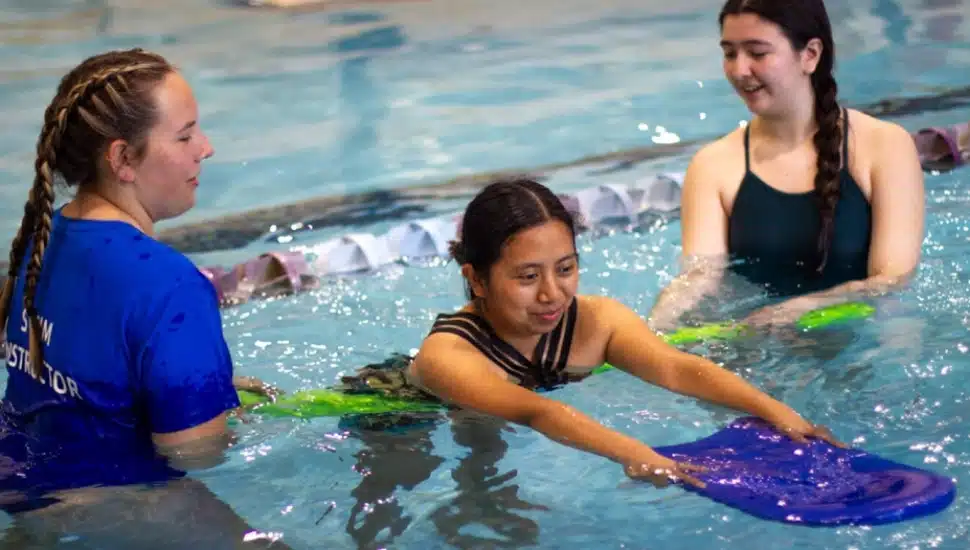
The Y has a long history with water safety. Nationally, group swim lessons were invented at a YMCA in Detroit nearly 120 years ago. Locally, YGBW teaches more than 3,000 children water safety lessons annually and celebrates Water Safety Month each May to educate caregivers before summer begins. So, let’s dive in!
What is the most important thing caregivers need to know about water safety?
Drowning is fast, silent, and often preventable.
Tip: Learn basic water safety facts and implement water safety rules with your family. It could help save lives.
Does the presence of an adult prevent drowning?
Sadly, more than 85 percent of children who drown are in the presence of an adult. The risk of drowning increases when adults are distracted by conversations, devices, or taking care of other children and tasks.
Tip: Designate a single adult as your Water Watcher. Their only job is watching swimmers with phones down and eyes up.
Can swimmers call for help if they’re in trouble?
Drowning is often silent and subtle. A person who is drowning may be submerged in water, gasping, or trying to keep their mouth above the surface. Often this occurs without any splashing or yelling.
Tip: Active and focused supervision matters. Water Watchers must know what to look for and give the water their full attention.
Is drowning preventable?
Many drownings are preventable. Obeying the rules at pools and beaches, listening to the directions from lifeguards, ensuring proper supervision, and educating yourself and loved ones help to dramatically reduce risk.
Tip: Follow the buddy system when swimming so that a second swimmer can get help if needed.
Should kids ask before getting into the water?
Yes. Always ask before entering any body of water. This helps to ensure:
· An adult knows that they’re swimming.
· A water watching plan is in place.
· Safety rules are reviewed before splashing begins.
Tip: Be sure that grandparents, babysitters, or other adults who may take your child swimming are aware of your family’s rules.
What does it mean to be a Water Watcher?
A Water Watcher is a fully attentive adult who is not using their device, having a side conversation, or taking care of other business.
Tip: Phones down. Eyes Up. Because drowning is silent, even a few seconds of distraction can matter. Your scrolling can wait. Their safety cannot.
If our family has a Water Watcher and uses the buddy system, do we need to swim in the presence of a Lifeguard?
Yes, the YGBW always encourages swimming in areas where there is a lifeguard on duty. The layers of supervision (lifeguards, water watchers, swimming buddies, and engaged caregivers) all work together to prevent drowning.
Tip: Look for Lifeguards who are actively scanning the water and not chatting or multi-tasking. Depending on the setting, the signs of an actively engaged lifeguard may vary. At the Y, lifeguards are trained to move their heads while scanning the water to ensure they can see all corners of their monitoring zone.
Other signs of active supervision include lifeguards who are seated in a forward position in the lifeguard chair, lifeguards who walk the perimeter of the pool, and lifeguards who change position every five to ten minutes. You may notice that these lifeguards are not engaged in conversation as they are trained to remain focused on the water at all times.
Are breath-holding games safe?
No. Underwater challenges and breath-holding contests may seem harmless, but they can be dangerous. They increase the risk of blackouts and drownings, even for strong swimmers.
Tip: Take breaks between underwater swimming and be sure to get out of the water if you feel tired or dizzy.
Does swimsuit color really matter?
Surprisingly, yes. Bright, bold colors are easier to spot underwater than cool or neutral colors, especially in pools, lakes, and oceans.
Tip: The 80s are cool again! Choose neon suits, such as pink, orange, yellow, or green. Skip blues, grays, or camo patterns.
What should a child do if someone is struggling in the water?
Do not jump in. A panicked swimmer can overpower a strong swimmer, turning one emergency into two.
Tip: Reach. Throw. Don’t Go! Instead of jumping in, use a long object like a stick, skimmer, or towel to pull the struggling swimmer to safety. Or throw a life jacket or flotation device into the water instead.
Many pools leverage swim band testing. Why is this an important drowning prevention measure?
Swim band testing is an important drowning prevention measure because it replaces guesswork by verifying a swimmer’s ability rather than relying on age, appearance, or self-assessment. Through the Test, Mark and Protect approach, swimmers are clearly identified by skill level so lifeguards can instantly apply the correct rules and supervision requirements. This ensures swimmers are only allowed in areas they can safely manage, significantly reducing the risk of fatigue, panic, and drowning. Non-swimmers (red band swimmers) should always wear a U.S. Coast Guard-approved life jacket unless they are within arm’s reach of a trusted adult.
Tip: When registering for summer camp or looking to join a local pool or swim club, ask if they provide swim band testing to help monitor children.
My child earned their green band. Do they need further water safety education?
Earning a green band is an important milestone, but it is not the end of the line in aquatics education and training. Green band swimmers have a strong foundation and often benefit from deeper skill development.
Tip: Swimmers who have earned a green band should continue to build endurance, refine technique, and increase their confidence in the water to stay safe and strong in all aquatic environments.
One Last Thing to Remember. Water safety isn’t about fear; it’s about awareness.
With active supervision and clear rules, you and your family can enjoy the water safely and confidently all summer long.
Find more information about water safety at YGBW. The YMCA of Greater Brandywine is an association of nine YMCAs and Program Centers serving nearly 112,000 people across Chester County, and continues to serve as a leading non-profit organization committed to building community.