
By Duncan Allison
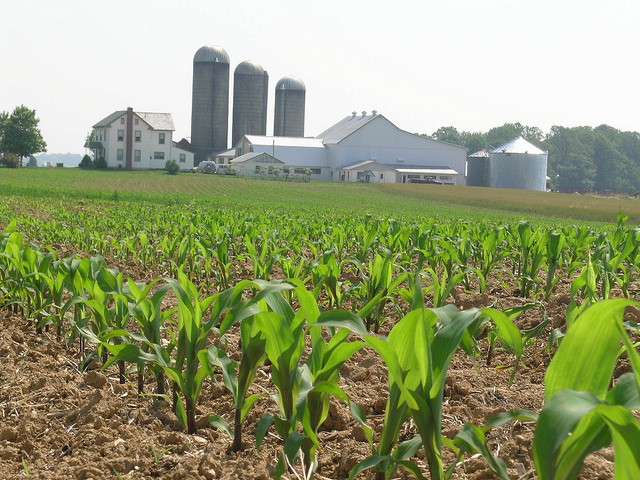
Perhaps the biggest change that has occurred in farming in the last 50-60 years in Chester County and across the country is the move to specialization and scale. Gone are the farms with some field crops, hay, some dairy and beef cattle, perhaps a few pigs and some poultry around the farmyard.
Today farms tend to be either field crops or livestock and poultry production has become largely specialized in large scale units on contract to Perdue, Tyson and others.
Farmers could not manage today without the infrastructure of input and service suppliers. Local farm machinery suppliers, feed, fertilizer and seed stores, veterinarians, business and agronomy consultants as well as Penn State’s Extension Service offering advice on all aspects of farming and USDA’s Farm Service Agency providing access to all the federal government programs for farm owners. Banks also play a critical role.
Each of the many market segments has spawned several global companies that have the scale to invest in research and development to develop and service their products. Three examples illustrate this.
A wide range of large and small farm machinery industries have developed to supply the specific products and services for each sector of farming. Precision seed drills and harvesters for field crops and hay, milking equipment for dairies, sprayers to apply chemicals to control competitive vegetation, and many more critical functions.
John Deere is the best known name but there are an estimated 1,000 agricultural machinery producers in the US with combined annual revenue of about $39 billion.
 Seeds are another critical component of modern crop farming to ensure the highest level of productivity. We will soon have the largest global supplier of seeds in the world on our doorstep when DuPont/Dow Agriculture establishes their head office in Wilmington. This was after a lot of hard work by the Delaware Governor, his staff and close collaboration with the DuPont Company.
It was originally planned for the Midwest. This new company will have joint global agriculture sales of around $18 billion of which $9 billion is in seeds making them the largest global seed company and one of the top suppliers of crop protection chemicals.
Crop protection chemicals play a vital role in most crops to maintain both yield and quality since weeds, insects and diseases can reduce crop yields by around 40% or more if not controlled. Farmers are increasingly using what is termed Integrated Pest Management involving a broad-based range of practices to provide economic control of pests.
 However pesticides remain critical tools and global crop protection chemical sales are around $57 billion dollars. The development of a chemical pesticide typically costs over $250 million to bring to market.
Most of the large players are international companies based in the US, Europe or Asia. Only three segments have been discussed but other vital input suppliers include fertilizer, feed and animal pharmaceuticals. All the market segments require significant research and development to produce innovative products for the demanding and highly competitive marketplace around the world.
The suppliers of these vital products and services will need to play an even greater role to ensure our farmers here and around the world can feed the 9.5 billion people who will live in our world by 2050. Productivity combined with sustainability will have to continue to increase as there is little if any good farmland left.
_________
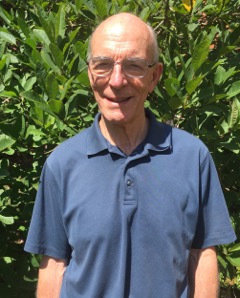 Duncan Allison gained degrees in horticulture and extension education in the UK and US and spent most of his career working for the DuPont Company developing and marketing crop protection chemicals. Recently he has written reports for a global ag publisher and for New Jersey-based international business consultants Kline & Co. For the last 16 years he has been heavily involved in the local farming of Chester County where he has lived with his wife and family since 1980. Contact Duncan directly via email at [email protected].