


I love the music industry. Not necessarily because I dedicate an ungodly amount of time to listening to music, reading about music and thinking about music (which I do), but for another reason that has to do with the nature of the industry itself.
There are very few industries that have been so dramatically and publically affected by the whims of technological innovation. The drastic differences popular music between the 70’s and 80’s were largely a result of musicians playing with synthesizers, drum machines, vocoders, etc–they were adapting new technologies the same way we upgrade our iPhones today.
David Byrne has written about how the invention of headphones and how artists responded to a new way of being heard. They could be quieter on record, more intimate. Arguably, technology has been as influential on music as the musicians themselves.
Different formats have come and gone, all riding on the coattails of invention. Then the MP3 came along and essentially demolished the physical aspect of recorded music and the giant brick and mortar stores along with it. Perhaps only the newspaper industry can lay claim to the kind of ravaging the internet age has perpetrated on the music industry.
For most music lovers today, music is digital, almost ubiquitous and costs next to nothing. Their favorite songs can be streamed from the cloud on beaches, at parties, and even in the clouds on airplanes.
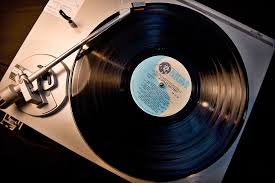
Yet curiously some music consumers are defying the ‘move with the technology’ attitude that has defined music consumption for 100 years. These aficionados are returning to the past, buying new releases on vinyl. As The New York Times pointed out today:
“Vinyl, which faded with the arrival of compact discs in the 1980s, is having an unexpected renaissance. Last year more than 13 million LPs were sold in the United States, according to the Recording Industry Association of America, the highest count in 25 years, making it one of the record business’s few growth areas.”
And as record companies struggle to meet demand, they’re buying up old vinyl presses, refurbishing them, and putting them to use:
“There is now a global rush to set up more plants and find existing presses, but the few that have been tracked down are often in poor shape. This year Chad Kassem of Quality Record Pressings in Salina, Kan., found 13 disused machines in Chicago–“they looked like scrap metal to anybody but me,” he said — and he h opes to restore five of them within six months.”
How about that? For maybe the first time in its history the music industry is adapting to an old technology. Read more about the return of vinyl over at the New York Times.