

Widener University in Chester is offering pregnant women in the community a free ultrasound of their baby.
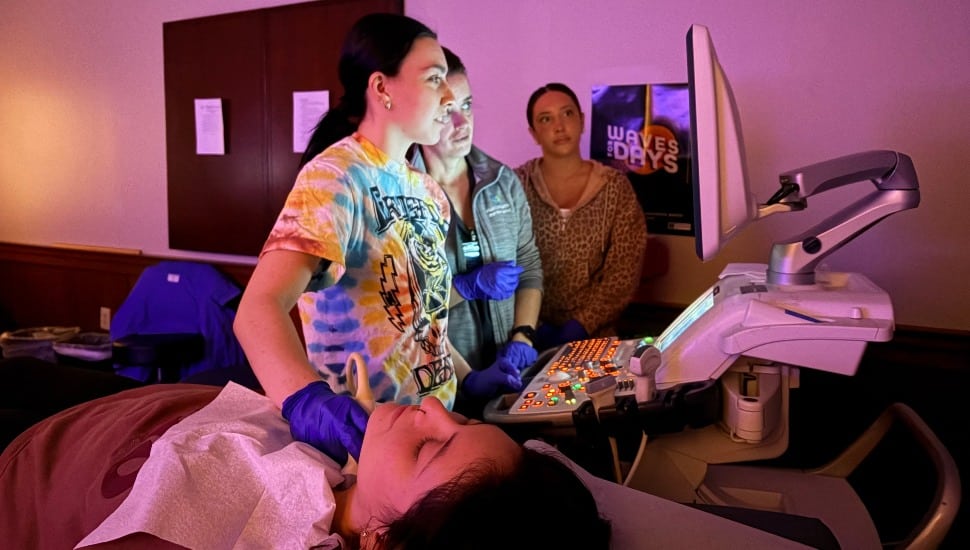
The free baby ultrasounds give Widener students some hands-on scanning practice as moms get extra time with their babies and an extra ultrasound photo, said Megan Stone, director of the Diagnostic Medical Sonography program at Widener.
Women who would like to participate can learn more and sign up by reaching out to Cindy Hillen, clinical coordinator of Widener’s Diagnostic Medical Sonography Program.
The scanning lab is located on campus in Founders Hall off E. 14th Street in the building that also houses the Jack & Nancy Dwyer School of Nursing, in Chester.
The non-diagnostic imaging test allows the students to look for anatomy, practice measurements, and take pictures of the baby while also honing their skills at interacting with patients.
“It’s something that takes a lot of practice to get comfortable and confident in,” Stone said. “So the more that the students get their hands on the probe and practice on a real patient, the better off they will be, especially when they graduate.”
A baby ultrasound is harder than it sounds. Babies are constantly moving, and it’s a different situation than a regular ultrasound, said Hillen.
“So they need the extra practice,” she said.
To participate, pregnant community volunteers must be OK’d by their doctor and have had their 20-week anatomy scan showing that everything is normal. Volunteers will also need to sign a consent form.
“A doctor will not be checking these scans that they have here at Widener,“ Hillen said.
The ultrasound offer gives moms one more chance to see the baby before it’s born, Stone said.
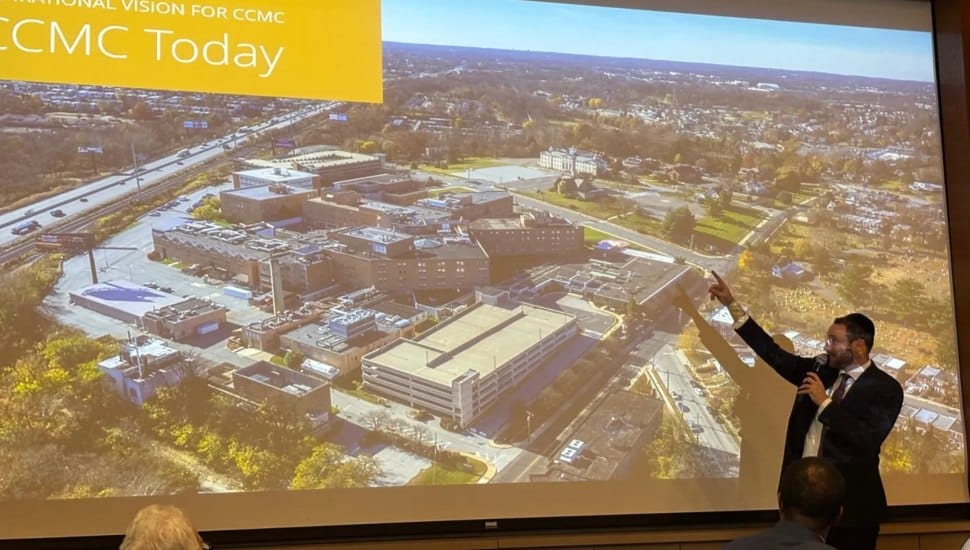
The closure of Crozer Health has made it harder for students in the Widener University sonography program to find clinic space and time.
Crozer ran the Diagnostic Medical Sonography and Radiologic Technology programs out of Crozer-Chester Medical Center in Upland in partnership with Widener University.
There were also clinics at Riddle Hospital through Main Line Health.
When Crozer Health closed, Widener took over the programs fully. Students have continued training at established clinical sites and now benefit from expanded hands-on experience through the new on-campus programs.
Still, it’s been a challenge to find clinic space and time for the students.
The community volunteers can help the students get practice time when limited clinical time is available because of the closures.
There are nine students at the moment in the Diagnostic Medical Sonography program. Seven have just graduated, and there will be 13 more coming in the fall.
The students earn a bachelor’s degree in allied health with a concentration in Diagnostic Medical Sonography, or ultrasound. The degree prepares them for ultrasound work in clinics, or radiology management, working for a manufacturer of ultrasound equipment, or teaching at a sonography program.